
Areas We Serve
Finding the right memory care community for a parent, spouse or loved one is an important decision. Families often begin their search close to home, but the best community may be just a short drive away in a neighboring city.
Aravilla Clearwater is a dedicated memory care community serving families throughout Clearwater and surrounding Pinellas County communities, including Dunedin, Palm Harbor, Tarpon Springs, Spring Hills, Largo, and Seminole. Our community provides specialized care and support for individuals living with Alzheimer’s disease, dementia and other forms of memory loss.
If you’re searching for memory care near you, you’re welcome to consider Aravilla Clearwater as you explore your options. While our community is located in Clearwater, we welcome families from throughout the surrounding area who are looking for specialized memory care in a supportive, engaging environment.
Finding Memory Care in Pinellas County
 For many families, the search for memory care begins gradually.
You may notice that a parent is having more difficulty managing medications, preparing meals, keeping up with household responsibilities or navigating familiar places. Perhaps a loved one has experienced several falls, become increasingly isolated, or is beginning to need more supervision than family members can comfortably provide.
Sometimes the need becomes more immediate following a hospitalization, change in health or safety concern.
Whatever brings you to the search, choosing memory care is about much more than finding a place for someone to live. Families are looking for a community where their loved one can be safe, respected, engaged and cared for as an individual.
When comparing memory care communities in Clearwater and throughout Pinellas County, it is important to look beyond location and consider the experience, environment, services, and philosophy of care offered by each community.
When is it Time to Consider Memory Care?
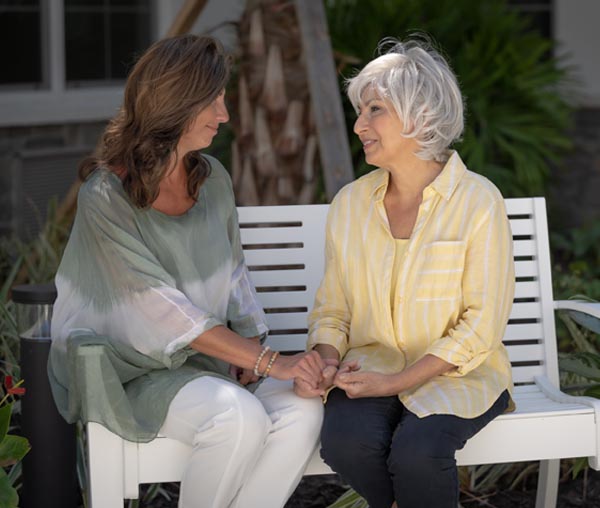 There is no single moment when every family should make the transition to memory care. Every individual’s circumstances are different.
However, families often begin exploring specialized memory care when a loved one’s cognitive changes are affecting everyday life or creating concerns that are becoming difficult to manage at home.
Signs that it may be time to explore your options can include:
- Increasing difficulty managing medications or appointments
- Forgetting to eat or difficulty preparing meals
- Getting lost or becoming confused in familiar surroundings
- Increasing difficulty with bathing, dressing or other daily activities
- Changes in sleep patterns or nighttime wandering
- Increasing social isolation
- Repeated falls or other safety concerns
- Difficulty managing household responsibilities
- Increased anxiety, confusion or agitation
- Family caregivers feeling overwhelmed or unable to provide the level of supervision needed
Exploring memory care before a crisis occurs can give your family more time to visit communities, ask questions, understand costs and make a thoughtful decision together.
You do not have to wait until you are certain that memory care is necessary to begin learning about your options.
What Makes a Memory Care Community Different From General Assisted Living?
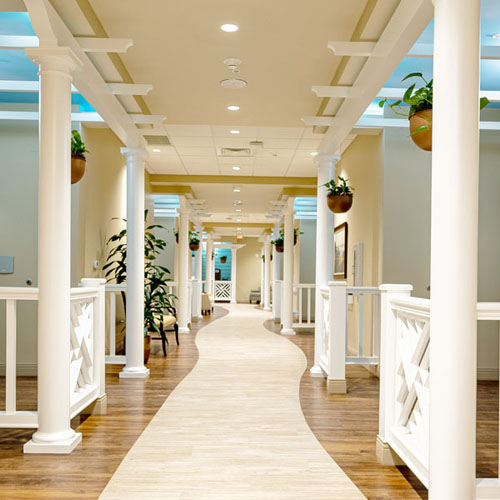 Memory care is designed specifically around the needs of individuals living with Alzheimer’s disease, dementia and other forms of cognitive impairment. While traditional assisted living may provide support with activities of daily living, a dedicated memory care community places greater emphasis on the cognitive, emotional, behavioral and safety considerations associated with memory loss.
Specialized memory care may include:
- Personalized care and support
- Assistance with daily activities and personal care
- Structured, familiar routines
- Programs designed for cognitive and meaningful engagement
- Social activities and opportunities for connection
- Secure and supportive surroundings
- Medication assistance
- Physical activity and movement
- Dining and nutrition support
- Activities adapted to residents’ interests and abilities
- Ongoing communication and support for families and caregivers
One of the most important differences is that memory care is built around the individual needs of people experiencing cognitive changes. Caregivers receive training to understand how Alzheimer’s and dementia can affect communication, behavior, routines and daily activities. Rather than simply responding to a behavior, a specialized memory care team looks for the underlying need and considers how the environment, routine or approach can better support the resident.
A Focus on Familiarity, Engagement and Safety
Familiar routines can help provide comfort and reduce confusion. Meaningful activities can encourage residents to remain engaged and socially connected, while opportunities for physical activity and participation can support overall well-being.
Safety is another important consideration. Memory care environments are designed with the unique needs of individuals experiencing cognitive changes in mind, providing a supportive setting where residents can receive appropriate supervision while maintaining as much independence as possible.
Most importantly, individualized memory care recognizes the person—not simply the diagnosis. Each resident has a unique history, personality, preferences, interests and abilities. Quality memory care creates opportunities for residents to experience purpose, connection, familiarity and moments of joy while receiving the level of support they need.
When comparing a memory care community or memory care facility with traditional assisted living, ask how the community approaches Alzheimer’s and dementia care, what specialized training caregivers receive, how activities are adapted, how safety is addressed and how individualized care plans are developed.
Choosing Memory Care Near Your Family
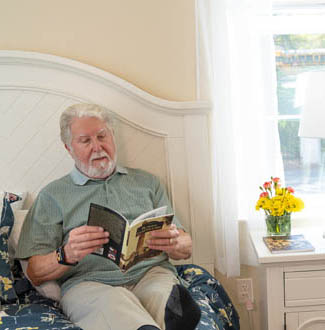 Location matters when choosing memory care—but it shouldn’t be the only consideration.
Being close enough to visit regularly can make an important difference for both residents and their families. Frequent visits can help loved ones maintain meaningful connections and allow family members to remain involved in their care.
At the same time, choosing a community solely because it is the closest facility may mean overlooking a community that is a better fit for your loved one’s needs.
When comparing memory care facilities in Pinellas County, consider:
- How far the community is from your home
- How convenient it will be for multiple family members to visit
- The community’s approach to Alzheimer’s and dementia care
- Staff experience and training
- The physical environment
- Safety and security
- Daily routines
- Activities and opportunities for engagement
- Dining and nutrition
- Personalized care plans
- Communication with families
- How the community handles changes in a resident’s needs
A community that is 15 or 20 minutes farther away may ultimately be a better choice if it provides the specialized care and environment your loved one needs and feels more like home.
Memory Care Near Dunedin
Families in Dunedin can consider Aravilla Clearwater when looking for a dedicated memory care community close to home.
Memory Care Near Largo
If your family is in Largo and you’re beginning to compare memory care options, Aravilla Clearwater welcomes you to visit and learn more about our approach to specialized memory care.
Memory Care Near Palm Harbor
Families searching for memory care near Palm Harbor can visit Aravilla Clearwater to explore a dedicated community designed around the needs of individuals experiencing memory loss.
Memory Care Near Safety Harbor
Aravilla Clearwater welcomes families from Safety Harbor who are looking for specialized memory care in the greater Clearwater area.
Memory Care Near Tarpon Springs
Families from Tarpon Springs searching for memory care are invited to visit Aravilla Clearwater to learn more about our warm and inviting memory care community.
A Memory Care Community Should Feel Like More Than a Care Facility
The words memory care facility and memory care community may describe the same type of senior living environment, but to a family, the experience can feel very different.
At Aravilla Clearwater, we believe memory care should be about more than providing assistance with daily needs.
It should be about knowing the person behind the diagnosis.
A person’s favorite music.
Their life experiences.
Their interests.
Their routines.
Their relationships.
The things that make them smile.
A thoughtfully designed memory care community creates opportunities for residents to remain engaged and connected while receiving the specialized support they need.
That is the difference between simply providing care and creating a community where people can continue to live meaningful lives.
Looking for Memory Care in Pinellas County?
If you’re beginning the search for memory care for a parent, spouse or loved one, you don’t have to make the decision alone.
Aravilla Clearwater welcomes families from greater Clearwater area including Dunedin, Largo, Palm Harbor, Safety Harbor and communities throughout Pinellas County.
We invite you to visit our community, meet our team and learn more about how specialized memory care can support your loved one.